Community Builds
Community Builds: Local Networks Today
Community broadband, mesh networks and nonprofit hosting: how neighborhoods build their own connections now.
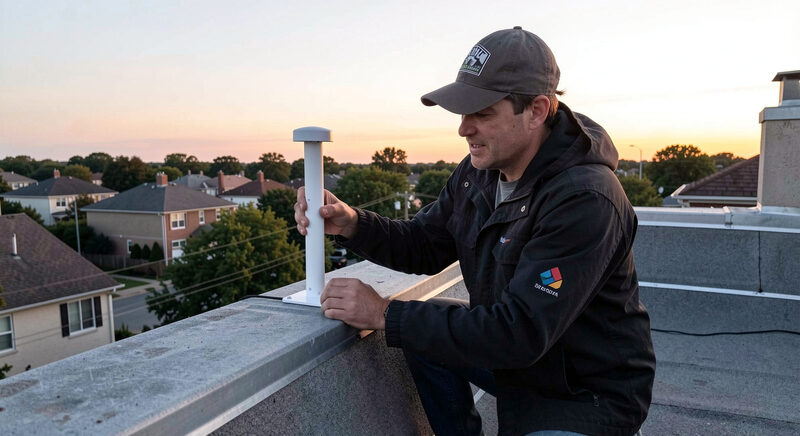
When a market does not deliver adequate internet, a community sometimes builds its own. The modern versions look different from the free-nets, but the underlying move is the same: local people pooling resources to create access the private sector did not provide. This section covers the working models, from city-run fiber to rooftop mesh, and closes with a realistic account of how a project gets started.
What the guides in this section cover
The largest and best documented model is community broadband. Community Broadband, Explained lays out the four main forms it takes: the municipal utility that treats broadband like water or power, the member-owned cooperative, the nonprofit builder and the public-private partnership. The guide also covers what any build requires in practice, and why state law matters before a single strand of fiber is pulled.
At the smaller end, Neighborhood Mesh Networks in Practice describes the volunteer model that hops connections from rooftop to rooftop: how nodes relay signal, where the internet enters the mesh, what equipment and money a small build needs, and the conditions, from line of sight to tree cover, that decide whether it works. Finally, How a Community Network Actually Gets Started walks through the first year of a project as past efforts recorded it: the needs survey, the anchor partner, the pilot site, the funding sources and the governance questions that arrive sooner than expected.
Where these builds come from
Community networking did not begin with fiber. The free-net era covered in Network History produced the template: volunteer labor, institutional sponsors, public terminals and a mission framed as community service. Today's builds inherit that template with better tools and larger budgets, and they serve the gaps mapped in Public Access.
Choosing where to start reading
The order that makes sense depends on the question. Readers who want the landscape should begin with the broadband guide, which names the four models and what each demands. Readers standing on a roof wondering about a radio should begin with the mesh guide. And readers anywhere between, with a group and a hunch, should go straight to the startup guide, which is the section's one piece of required reading.
A note on honesty
Community networking attracts optimism, and these guides try to keep it on a leash. Builds fail, pilots stall, volunteers burn out and funding arrives late. Where the guides describe what a project requires, the estimates come from what completed builds reported, not from what proposals promised. The aim is a section a skeptical committee member could read without finding a claim to object to.
Who this section is for
These guides are written for readers weighing a project, not for engineers. A neighborhood association member, a librarian asked about local options, or a volunteer wondering whether a mesh node on their roof makes sense will find the honest version here: what it costs, what it demands, and what the successful projects did first. Where the guides cite programs or trackers, the source is named so the current status can be verified before anyone commits time or money.
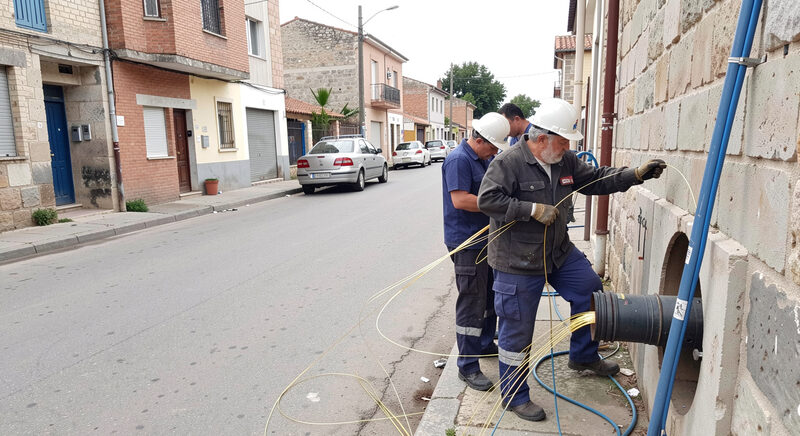
Community Builds
Community Broadband, Explained: Who Can Build It
Municipal networks, cooperatives and public-private builds: how communities create their own broadband and what it takes.
Four models, one ownership question.
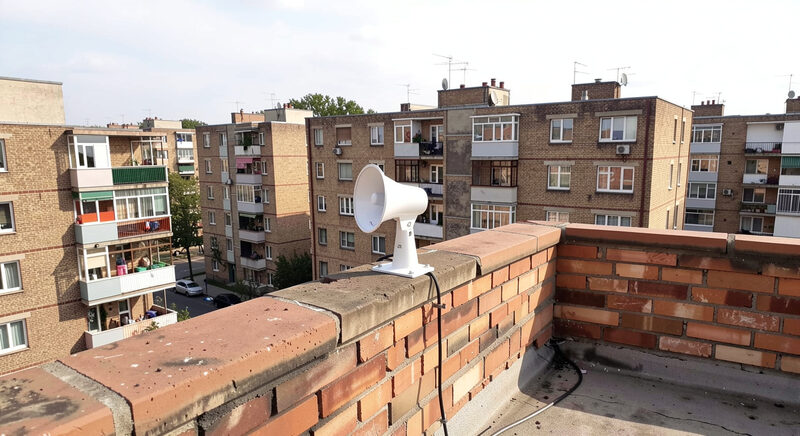
Community Builds
Neighborhood Mesh Networks in Practice
How mesh networks share connections rooftop to rooftop, where they work best, and what a small mesh build involves.
Rooftop to rooftop, node by node.
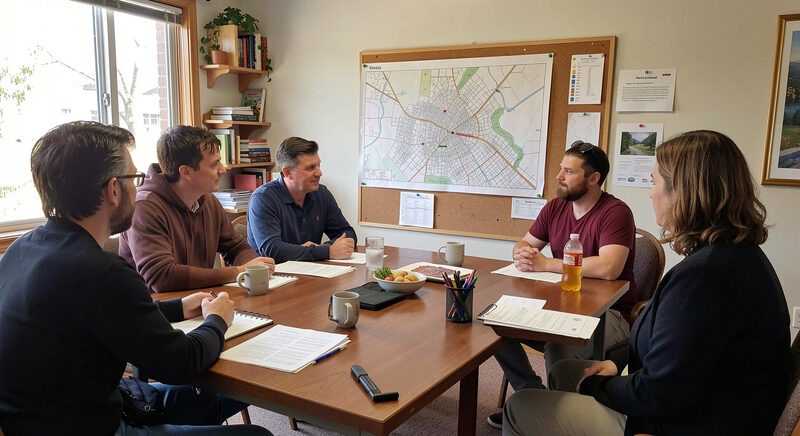
Community Builds
How a Community Network Actually Gets Started
From a needs survey to a pilot node: the realistic first year of a community network, drawn from past projects.
Survey, anchor, pilot, then grow.