An independent journal on community networks and public internet access, from the free-net era to local builds today.
Who gets online, and who builds the network
An independent journal on community networks and public internet access: free-net history, the digital divide, and local builds. From the free-net era documented on this domain to the community builds running today.
The three sections
History, access and builds
Each section opens with an index of its guides. Pick the era, the present gap, or the projects answering it.
 01
01Network History
The free-net era documented: what the systems were, who built them, and the community pages they hosted.
 02
02Public Access
Who gets online today and how: the digital divide, library access points and low-cost options.
 03
03Community Builds
Local networks built by their own communities: municipal broadband, co-ops, mesh and how to start.
Section 1 of 3
Network History
The free-net era documented: what the systems were, who built them, and the community pages they hosted.
Network History
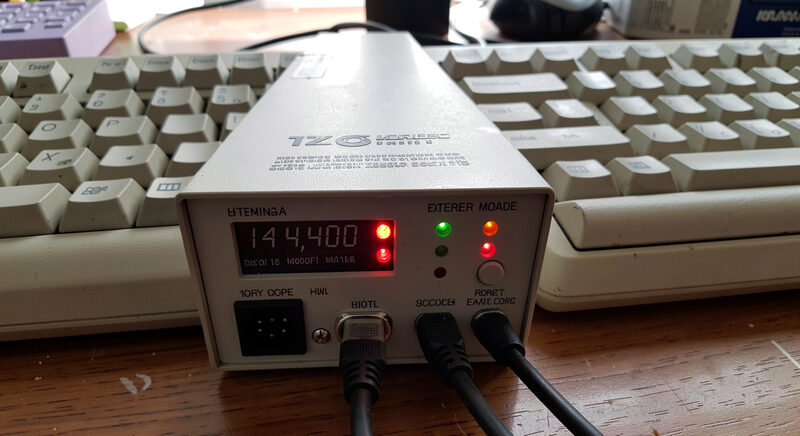
What Was a Free-Net? The Community Internet Explained
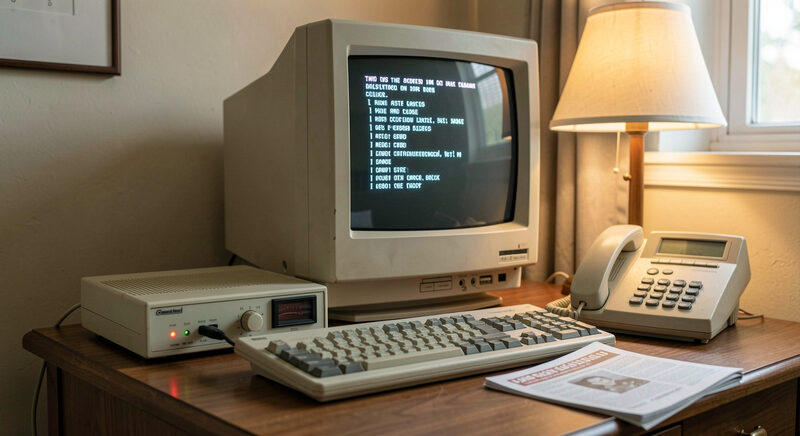
Free-nets gave the public free dial-up access to local information and early internet in the 1980s and 1990s. How they worked.
A community computer, a modem line, a civic promise.
Network History
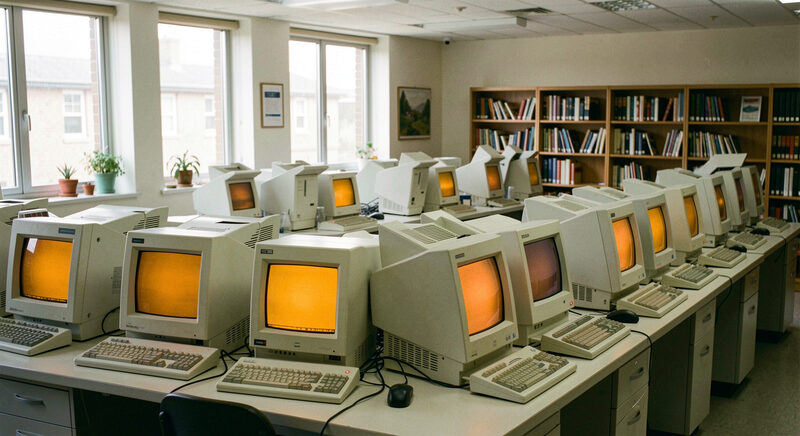
Cleveland Free-Net: Where Public Internet Began
From a medical Q&A board to tens of thousands of users: the story of the Cleveland Free-Net, the first community network.
From a medical board to the first public network.
Network History
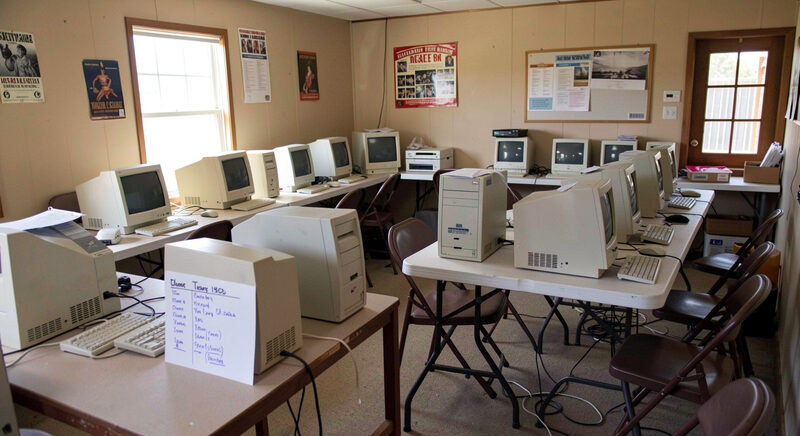
The Greater Houston Free-Net and Its Community Pages
GHOFN offered Houston residents free internet access and hosted nonprofit homepages from 1997. What the system offered.
Houston's 1997 free-net, from the archived record.
Network History
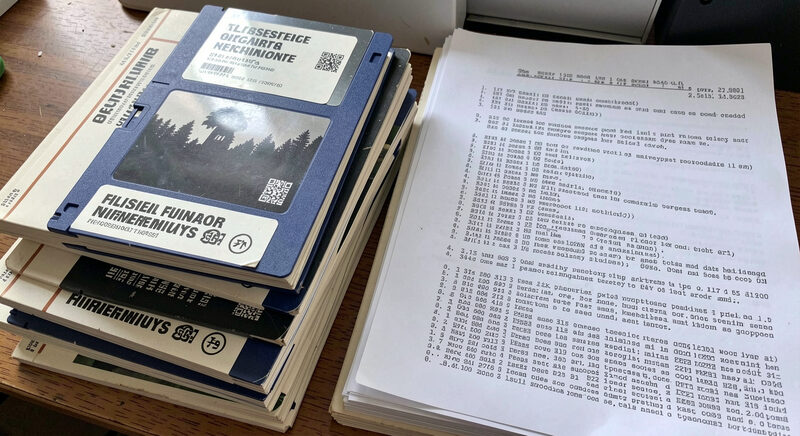
NPTN and FreePort: The Network Behind the Free-Nets
The National Public Telecomputing Network licensed the Free-Net name and shipped FreePort software. Its rise and collapse.
The federation behind the Free-Net name.
Network History
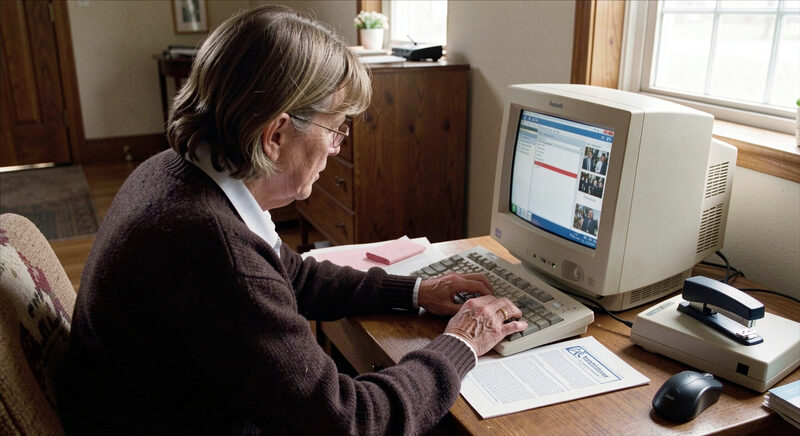
When Nonprofits Got Their First Homepages
Free-nets hosted pages for churches, charities and clubs: how community organizations first appeared on the web.
Nonprofits published before hosting was a product.
Network History
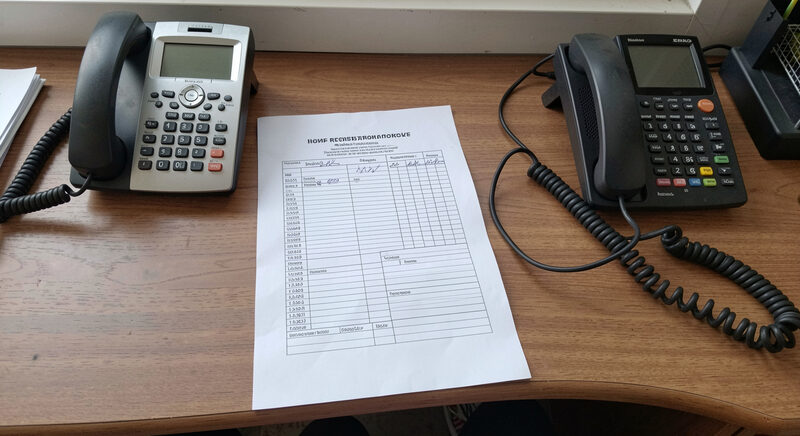
What Signing Up for a Free-Net Involved
How registration worked on a 1990s free-net: the form, the volunteer review, the login name and the first dial-up session.
Form, volunteer review, first login.
Network History
Mac Database Clients and Task Scheduling
How to choose a SQL client on macOS, what SyBrowser did from 1999, and how server administrators set up a cron-style scheduler such as MacAT.
SQL clients and cron, from the 1999 record.
From the archive
Guides that keep this domain's history
This domain was once the Greater Houston Free-Net, a community system that gave residents free access and nonprofits their first pages. These guides document that record, one of them at its original address.
Archive
The Greater Houston Free-Net and Its Community Pages
Houston's 1997 free-net, from the archived record.
Archive
When Nonprofits Got Their First Homepages
Nonprofits published before hosting was a product.
Archive
What Signing Up for a Free-Net Involved
Form, volunteer review, first login.
Section 2 of 3
Public Access
Who gets online today and how: the digital divide, library access points and low-cost options.
Public Access
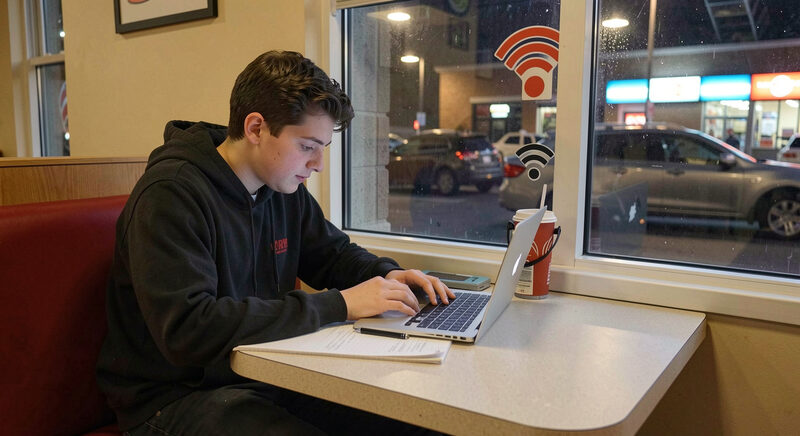
The Digital Divide, in Plain Terms
Who still lacks reliable internet in the US, what the gap costs in school and work, and where the divide is measured.
Coverage, price and skills, in plain terms.
Public Access
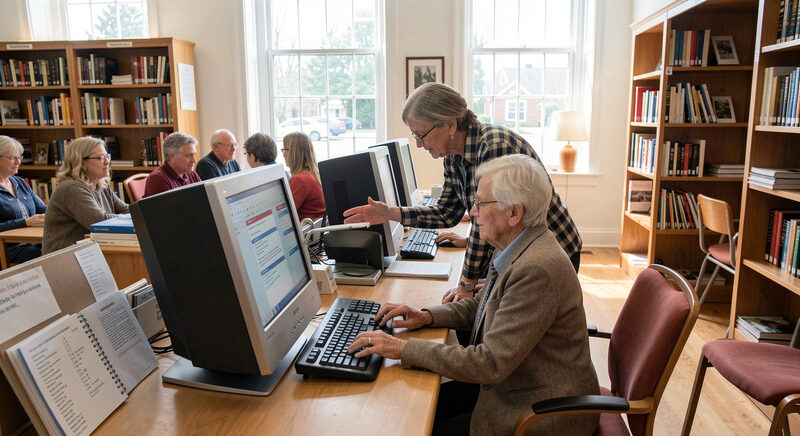
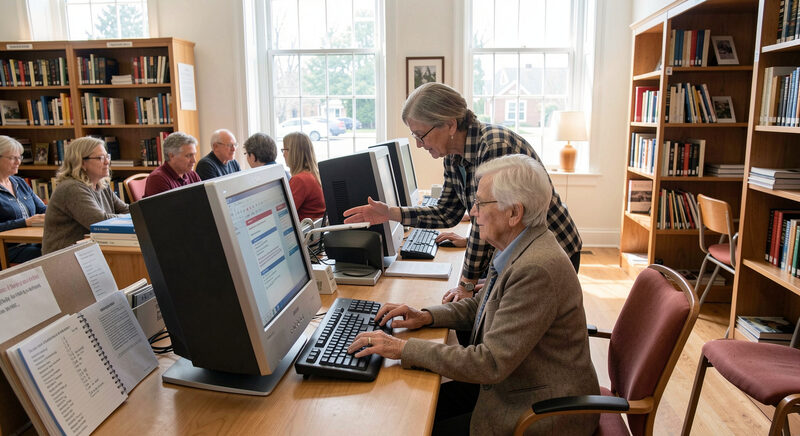
Libraries as Today's Public Access Points
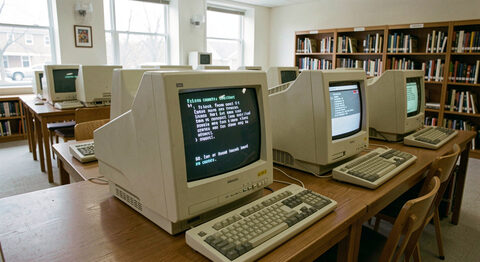
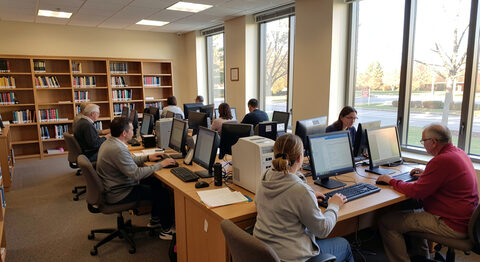
Public libraries inherited the free-net role: free computers, wifi, hotspot lending and staff who help people get online.
The computer row that inherited the mission.
Public Access
Free and Low-Cost Internet Options in the US
Lifeline, ISP low-income tiers, library hotspot loans and community networks: real options when broadband is unaffordable.
Lifeline, provider tiers, hotspot loans.
Public Access
Marketing a Kennel as a Method of Work
A breeder's method for structuring offers and prices, qualifying enquiries, keeping contacts, and holding local and national visibility with a content calendar.
Offers, enquiries and a content calendar.
Section 3 of 3
Community Builds
Local networks built by their own communities: municipal broadband, co-ops, mesh and how to start.
Community Builds
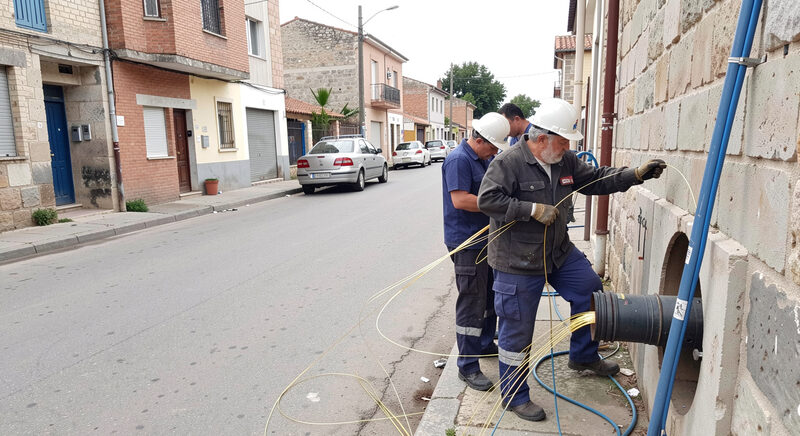
Community Broadband, Explained: Who Can Build It
Municipal networks, cooperatives and public-private builds: how communities create their own broadband and what it takes.
Four models, one ownership question.
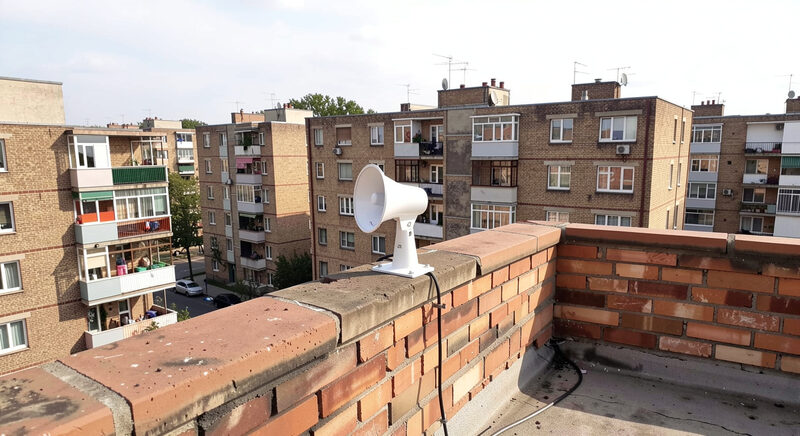
Community Builds
Neighborhood Mesh Networks in Practice
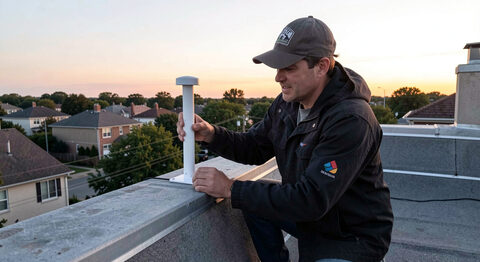
How mesh networks share connections rooftop to rooftop, where they work best, and what a small mesh build involves.
Rooftop to rooftop, node by node.
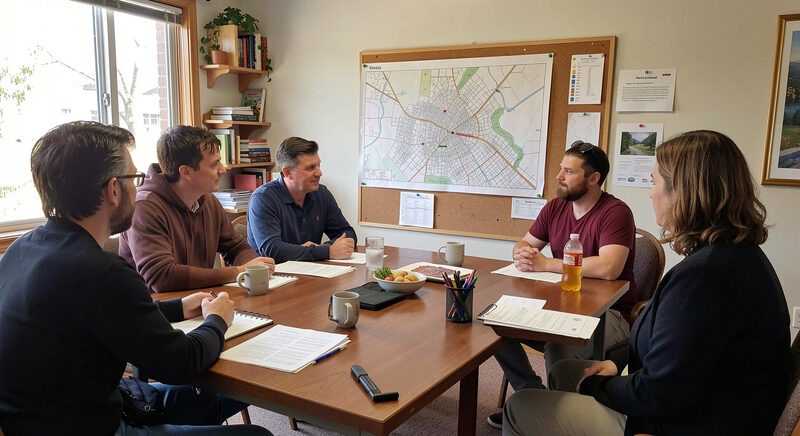
Community Builds
How a Community Network Actually Gets Started
From a needs survey to a pilot node: the realistic first year of a community network, drawn from past projects.
Survey, anchor, pilot, then grow.
Community Builds
ABAP: The Language Behind SAP Business Systems
A plain guide to ABAP for readers who meet SAP systems from the outside: basic syntax, elementary statements, data types, and where to find a keyword index.
A reference register for a business language.
Elsewhere
Pages from other desks
Some questions that arrive here are answered better on another desk. The pages linked below are published elsewhere and cover their own ground; each sentence says what the page answers.
Outside this site
Before anyone can use an online public service, they need an identity that authenticates the person and a signature that holds, and a Portuguese publication on the information society and digital inclusion explains the Chave Movel Digital alongside the country's digital State.
Outside this site
Redirects, DNS names, file permissions and the traces a suspicious login leaves are the unglamorous checks that keep a small network standing, and Mac, hosting and security covers those same questions for small publishers.
Outside this site
Once a community project is online, the first question is who will actually find it, which sends readers to an English magazine on organic visibility that explains where a small site's traffic comes from and how a page gets indexed and refreshed, how sites get found.
Outside this site
Behind most public services sit record-keeping systems where a database, a query and a report have to come out right, and a Spanish blog on Java and Oracle in enterprise systems covers JDBC connections, partitions and exports.
Outside this site
Small local sites built by people who are not technicians still need to be measured, fixed and written about without duplication, and the web and search without jargon covers reading tools, page-speed indicators, internal linking and city pages for craftspeople and specialised trades.
Outside this site
People who use a public access computer to write a letter, fill a form or look for work can start with the home row and a ten-minute daily exercise, then build typing accuracy and comfortable speed through short, measurable practice.
Outside this site
At the end of the access desk, a machine stops being an access point the day its disk is full, and readers who want to know how free space under macOS is measured, or what the System Data category holds, can turn to Mac storage and free space.
Outside this site
The first network many people build is two machines in one room that must exchange a folder, and a practical English guide covers file sharing and home networks, from direct transfer with rsync and SSH to router setup, guest networks and DNS.
The reading room
Outside references worth a bookmark
These public resources cover the field from other sides: the national build tracker, a working volunteer mesh, and the library institution.
Outside this site
Community Networks
The Institute for Local Self-Reliance tracker of municipal and cooperative broadband networks, with state-by-state legal summaries.
The reference map for community builds.
Outside this site
NYC Mesh
A volunteer-run mesh network in New York publishing its install guides, maps and node documentation openly.
A working mesh, documented in the open.
Outside this site
American Library Association
The national body documenting the public-access role of libraries, from computer rows to digital navigators.
The institution that inherited the mission.